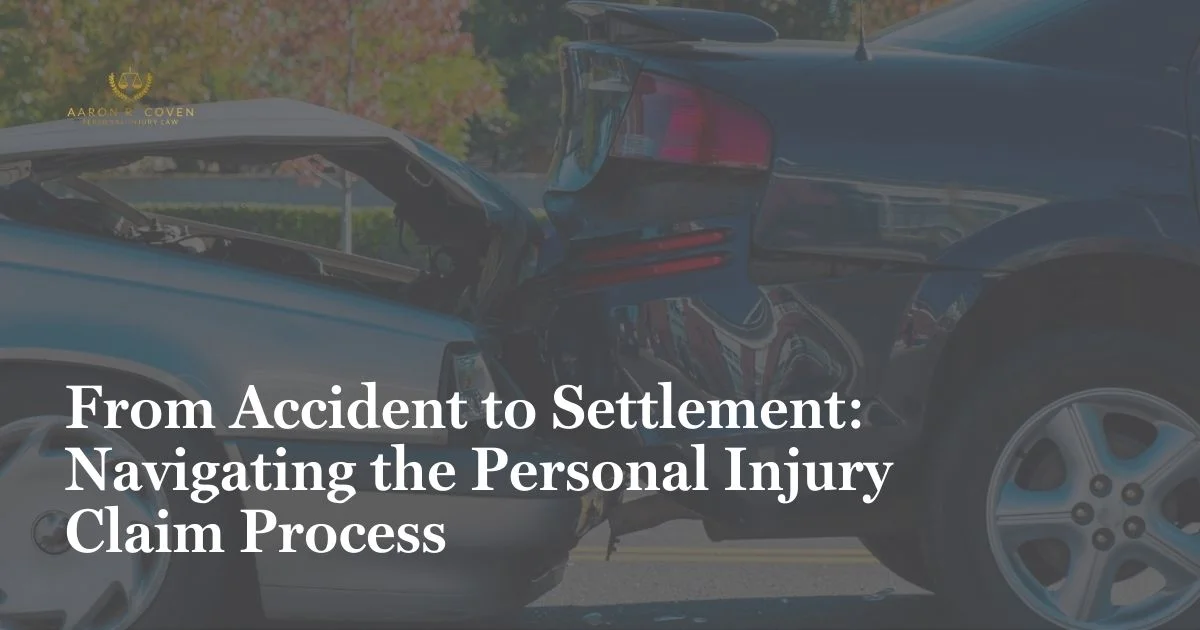
The Legal Process of a Personal Injury Claim: From Accident to Settlement
If you’ve been injured in an accident, you’re likely dealing with a lot: medical bills, time off work, and the pain and stress of recovery. It’s a challenging time, and understanding what to expect in a personal injury claim can be daunting. That’s why I’m here to walk you through the entire process – step-by-step, from the accident to settlement. Having handled many of these cases over the years, I know that clarity and guidance can make all the difference.
1. Seek Medical Attention Immediately
The first step after an accident is taking care of yourself. Your health comes first, so seek medical attention right away. Not only is this essential for your recovery, but it also establishes a medical record of your injury. This documentation is critical for proving the severity and impact of the accident.
2. Contact a Personal Injury Attorney
Once you’re safe and have sought treatment, it’s time to speak to an attorney. Personal injury law can be complex, and having a professional on your side ensures that you’re protected. I’ll sit down with you, review the details of your accident, and discuss your rights and options. Together, we’ll decide on the best course of action for your case.
3. Investigating and Gathering Evidence
The investigation phase is where we gather all the evidence to support your claim. This includes accident reports, medical records, witness statements, photos of the scene, and any other documentation that illustrates what happened. This is one of the most critical steps because the strength of your evidence determines the strength of your case.
In some cases, we might also work with experts, like accident reconstruction specialists or medical professionals, who can provide additional insight into how the accident happened and how it’s impacted you.
4. File the Claim and Negotiate with Insurance
Once we have a solid case built, I’ll file a claim with the at-fault party’s insurance company. This claim includes details about the accident, your injuries, and the compensation we believe you deserve. From here, we enter the negotiation phase with the insurance company.
Negotiating with insurance can be tricky. Their goal is to settle for as little as possible, but my job is to make sure you get fair compensation. I’ll handle the discussions, ensuring your rights are protected and your story is fully represented.
5. Filing a Lawsuit (If Necessary)
If the insurance company refuses to offer a fair settlement, we may need to file a lawsuit. This isn’t always necessary – in fact, many cases settle before going to court – but it’s an option if negotiations don’t lead to a fair outcome. Filing a lawsuit involves a few more steps, including discovery, where both sides exchange information, and possibly depositions, where you and other witnesses give sworn statements.
Rest assured, if we reach this stage, I’ll guide you through every step, making sure you’re prepared and supported.
6. Settlement Negotiations or Trial
Most cases settle before they go to trial, but if we do end up in court, that’s where we present all our evidence and make our case to a judge or jury. My role is to show them exactly how the accident has affected your life, your health, and your finances. Trials can be stressful, but I’ll be by your side every step of the way, advocating for you and ensuring you’re ready for each part of the process.
If we’re able to reach a settlement before trial, we’ll review the offer together to make sure it’s fair and meets your needs. And if it’s not, we’ll keep pushing for what you deserve.
7. Collecting Your Compensation
Once we reach a settlement or win a judgment in court, the final step is collecting your compensation. This money will go toward covering medical bills, lost wages, pain and suffering, and other damages related to the accident. I’ll make sure all loose ends are tied up and that you receive the funds as smoothly and quickly as possible.
Final Thoughts
The personal injury claim process can seem long and complicated, but you’re not in it alone. My job is to handle the legal side of things so you can focus on healing and moving forward. At every step, I’m here to answer your questions, explain what’s happening, and ensure you’re informed and empowered.