
Generally workers’ compensation is the exclusive remedy against employers covered by the law, with narrow exceptions for certain intentional acts or statutory violations—legal review is required.
Palm Beach County & Orlando
Workers' Compensation
Florida workers’ comp claims and disputes—authorized care, lost wages, MMI and settlements—plus third-party negligence cases when another company or driver caused the injury.
- No Fee Unless We Recover
- Direct Attorney Involvement
- Local to Palm Beach County

Real people. Real answers. A stronger tomorrow.
How We Help
People First. Results Always.
If you’ve been injured in a workers' compensation in Palm Beach County, you’re likely dealing with medical bills, insurance adjusters, and a lot of uncertainty. Our firm provides clear guidance, handles the legal process, and fights for the full compensation you’re entitled to. Florida workers’ comp claims and disputes—authorized care, lost wages, MMI and settlements—plus third-party negligence cases when another company or driver caused the injury.
Quick Florida Answer
Florida workers’ compensation pays medical and indemnity benefits for qualifying work injuries without proving employer fault, but benefits are limited by statute and carrier medical networks. When a third party—not your employer—causes the injury, you may also have a separate negligence case while still pursuing comp benefits.
Reviewed by Aaron R. Coven , Florida Bar No. 38988. Updated August 21, 2026.
Practice Areas
Focused on What Matters
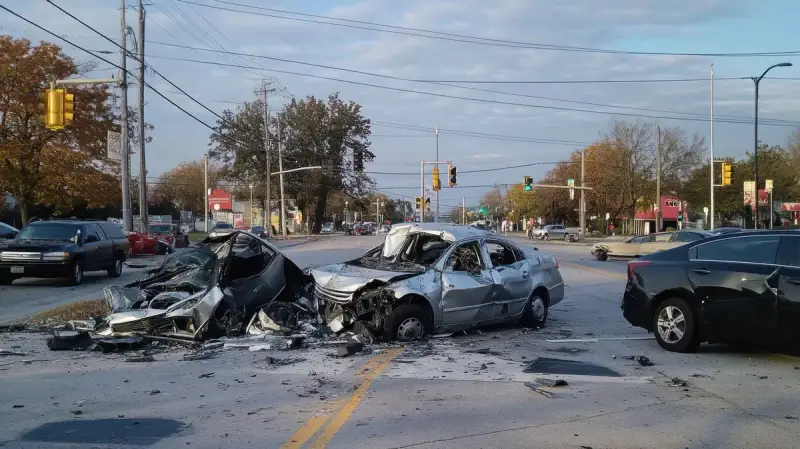
Auto Accidents
Car, truck, and motorcycle accident cases.
Premises Liability
Protection for those injured on someone else’s property.
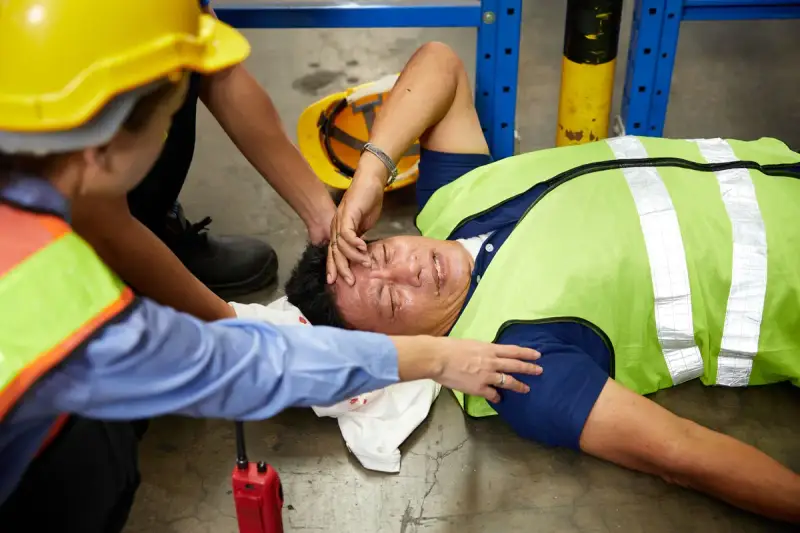
Workers’ Compensation
Helping injured workers get the benefits they deserve.
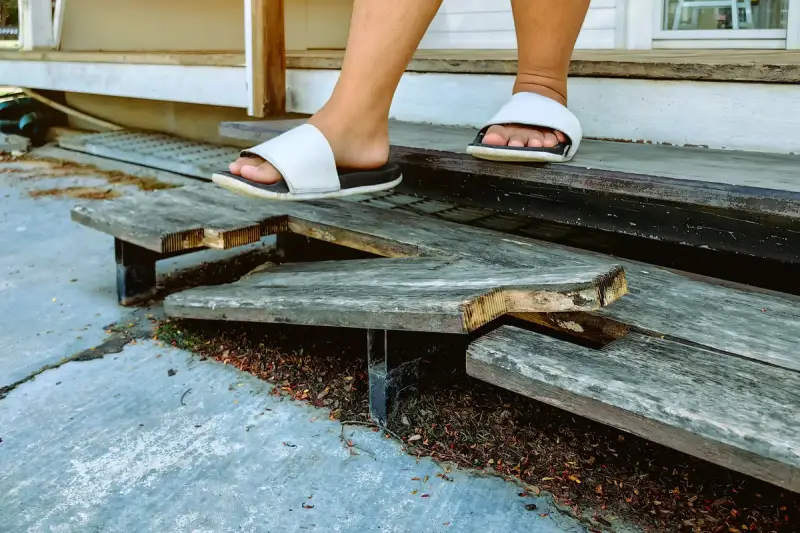
Slip and Falls
Unsafe property conditions and premises injury claims.

Insurance Disputes
Fighting insurance companies to ensure fair compensation.
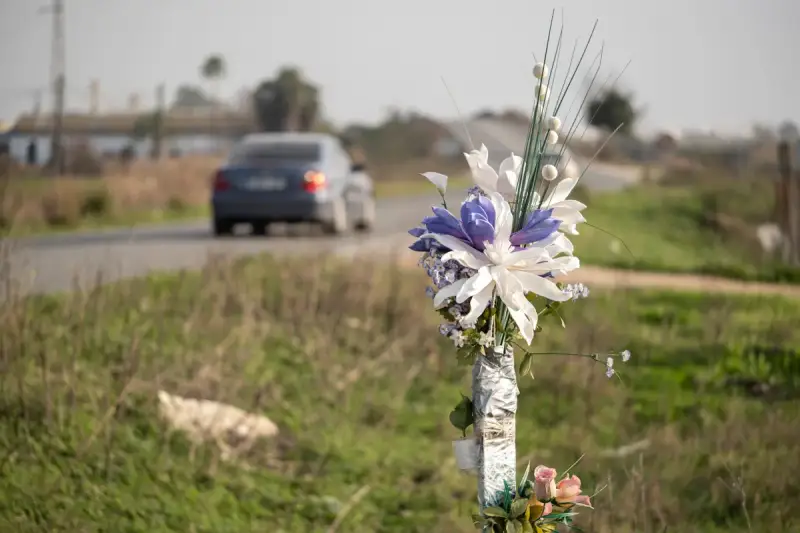
Wrongful Death
Support for families after a fatal accident.
Typical Claim Timeline
Typical claim timeline
Every case differs; this is a simplified roadmap many Florida injury matters follow.
- 1
Report & treatment
Notify the employer within statutory time frames and seek care through authorized carriers when required.
- 2
Benefit disputes
Challenge denials of tests, specialist referrals, or wage replacement through the Division of Administrative Hearings when carriers stall.
- 3
MMI & impairment
Understand permanent impairment ratings, PTD analyses, and Medicare set-aside issues if lump-sum settlements are discussed.
- 4
Third-party coordination
Pursue auto, premises, or product cases against non-employers while protecting workers’ comp lien rights.
What Affects Case Value
Factors that can impact your case
Injuries
Clarity that injury arose in course and scope of employment
Liability
Strength of third-party liability when another defendant exists
Insurance
Accurate average weekly wage calculations and classification status
Treatment
Quality of impairment and future medical evidence
Why Choose Our Firm
A different kind of law firm
Experienced Team
Decades of combined experience in personal injury law.
Personalized Attention
You work directly with Aaron, not a case manager.
Proven Results
A track record of fighting for maximum recovery for our clients.
24/7 Availability
We’re here when you need us, day or night.
Our clients aren’t just case numbers. They’re neighbors, families, and members of our community.
What To Do After an Accident
What should I do after a Florida workers' compensation?
01
Today
- Report the injury in writing and keep a copy.
- Photograph visible injuries and unsafe conditions if still accessible.
02
This week
- Request the panel-of-physician list if the carrier delays care.
- File DWC-1 or equivalent forms if the employer fails to report.
03
This month
- Track every missed paycheck and out-of-pocket expense.
- Ask whether a general contractor, vendor, or motorist shares fault beyond workers’ comp.
Our Roots
Local to Palm Beach County
Hospitality, construction, logistics, and healthcare employers across Palm Beach County and the I-4 corridor generate high volumes of lifting, fall, and equipment injuries. We help clients navigate authorized providers, impairment ratings, and settlements while identifying any non-employer tortfeasors such as negligent drivers or defective product makers.
Our Locations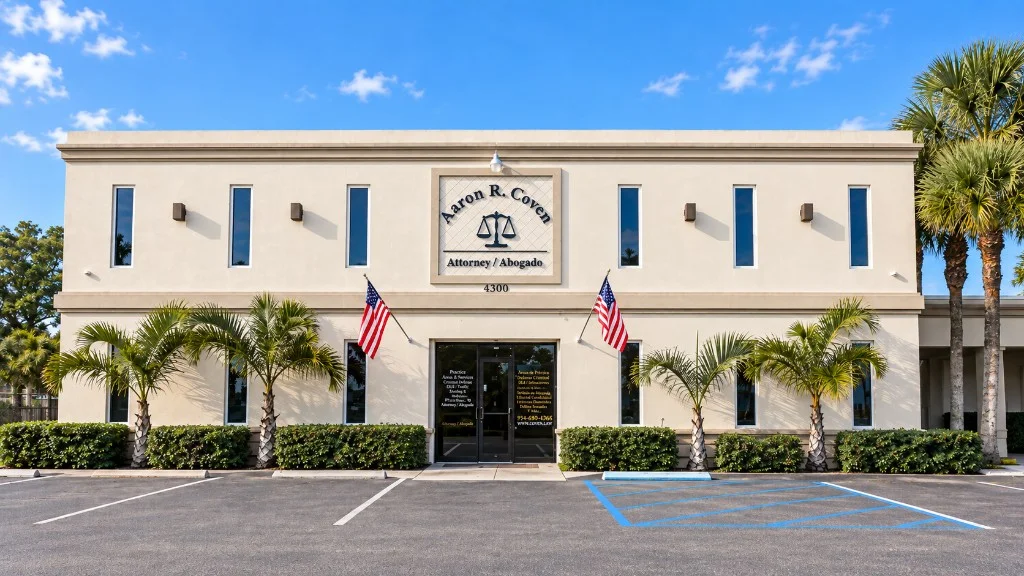
Palm Beach County.
Our home. Our community.
Common Questions
Common Questions
Palm Beach County Resources
Related Florida resources
What Clients Say
In Their Words
They treat you like family instead of a case number. I cannot say enough good things about these folks.
Eddie is very professional and truly helps fight on his clients’ behalf. And you can tell when speaking to Aaron he has decades of experience.
They really treat you like family. If there was something I did not understand, they took their time and explained everything to me.

Ready to get started?
Let’s talk about your case
Schedule a free consultation with our team.